
Let's be real, the business world has been gatekeeping for centuries. But something's shifting, and it's not just another trend. Young Black entrepreneurs are literally rewriting the playbook on how business gets done, and they're proving that the old ways aren't the only ways to create real change.
The question isn't whether young Black business owners can compete with traditional models. The question is: which approach actually transforms communities from the ground up?
Studies indicate Black business owners are significantly younger on average than non-Black counterparts, reflecting a newer generation driving business formation and growth (Brookings; Pew Research Center).
At the same time, who owns businesses still reveals a major gap: Black Americans are roughly 14% of the U.S. population but account for about 3% of employer firms as of 2022, based on Census data (Pew Research Center; U.S. Census Bureau — Annual Business Survey).
This isn't your grandfather's entrepreneurship. These young founders aren't just chasing profit margins; they're chasing purpose. They started businesses to pay bills and build generational wealth, sure, but they're also explicitly committed to giving back and making a difference in their communities. That dual mission? That's what sets them apart from traditional business models that prioritize shareholder value above everything else.

When traditional banks say no, young Black entrepreneurs say "watch this." They're not waiting for permission from institutions that were never designed to serve them. Instead, they're creating their own paths to capital.
The Funding Revolution
Forget begging venture capitalists for meetings. Black entrepreneurs are turning to crowdfunding platforms, building communities that actually believe in their vision. They're accepting Bitcoin and digital currencies to cut out banking middlemen entirely. While traditional businesses are still playing by old rules, these innovators are writing new ones.
Technology as the Great Equalizer
Social media isn't just for selfies: it's becoming the ultimate business tool. Young Black entrepreneurs leverage platforms like TikTok, Instagram, and Twitter to build authentic connections with customers, something traditional corporate marketing departments spend millions trying to fake.
They're using technology not just to grow their businesses, but to democratize access to opportunities that were historically locked away in boardrooms and country clubs.
Let's talk cold, hard facts. In 2022, Black-owned businesses with employees generated $212 billion in revenue and paid over $61 billion in salaries. That's not pocket change: that's economy-moving money.
But here's where it gets interesting: the median net worth for Black business owners is 12 times higher than Black non-business owners. Business ownership isn't just changing individual lives; it's creating a pathway to close the racial wealth gap that traditional employment never could.

The Local Multiplier Effect
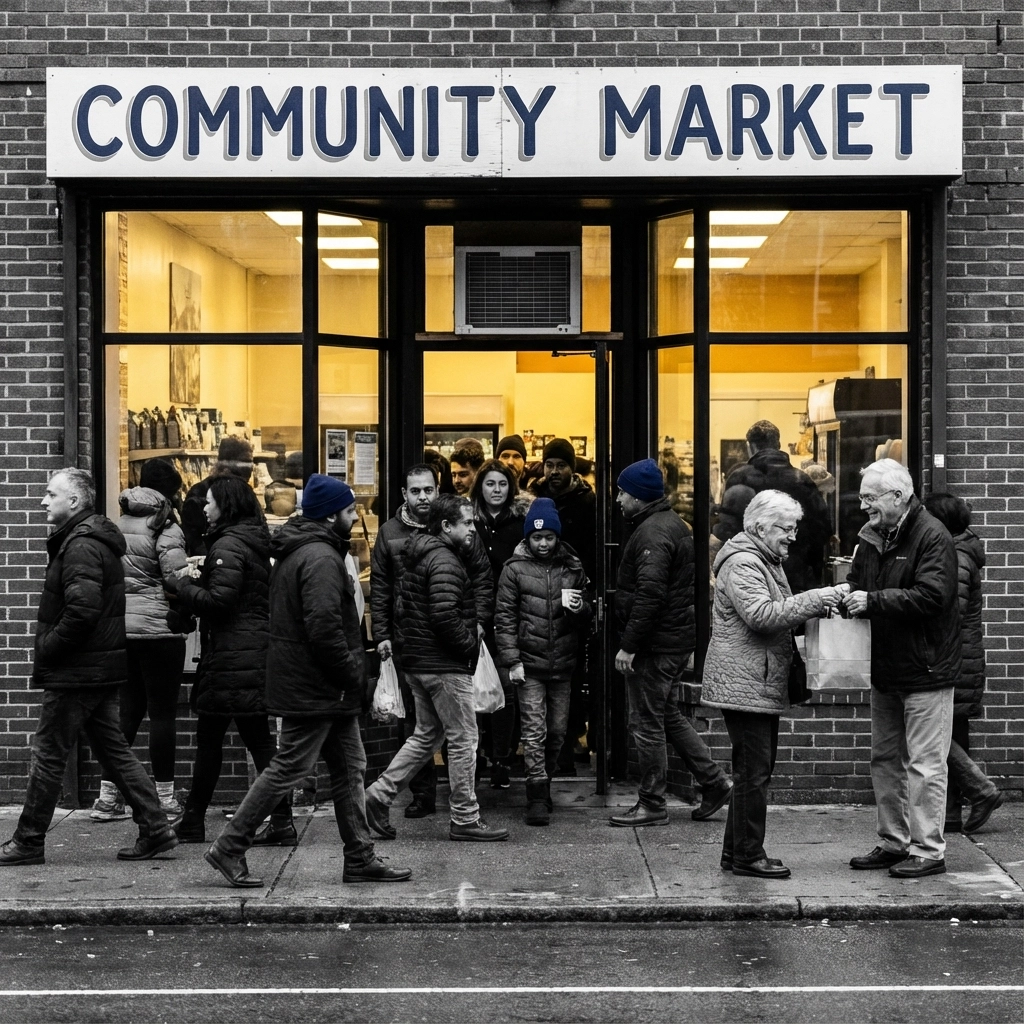
Traditional corporations extract wealth from communities and send it to shareholders in distant cities. Young Black entrepreneurs? They're keeping that money circulating locally. They're addressing food deserts, creating jobs for neighbors, and investing profits back into the same communities they grew up in.
If Black-owned businesses reached population parity, we're talking about potentially 757,000 new businesses, 6.3 million additional jobs, and $824 billion in revenue flowing through local economies. That's not incremental change: that's transformation.
Here's the part that'll make you angry: young Black entrepreneurs are creating all this impact while fighting with one hand tied behind their backs.
The Credit Score Trap
In Black-majority neighborhoods, young adults (25-29) have a median credit score of 582. In majority-white neighborhoods? 687. That 100-point difference isn't about personal responsibility: it's about systematic exclusion from wealth-building opportunities.
When only 13% of Black-owned businesses get the financing they apply for, we're not talking about a level playing field. We're talking about a rigged game where young Black entrepreneurs are still winning by changing the rules entirely.
The Survival Statistics
Twenty-two percent of new Black-owned businesses close after one year compared to 13% of white-owned firms. But here's what those numbers don't show: every Black business that survives is creating disproportionate community value because it's filling gaps that traditional businesses ignore.
Traditional Business Models: Scale Without Soul
Traditional businesses optimize for shareholders, not stakeholders. They chase efficiency and profit margins, often at the expense of the communities where they operate. Sure, they generate jobs and tax revenue, but they don't address systemic inequalities or build generational wealth within marginalized communities.
Young Black Entrepreneurs: Mission-Driven Multiplication
These founders aren't just running businesses: they're running movements. Every dollar they earn, every person they hire, every problem they solve creates a ripple effect that traditional models can't match.
They're not just participating in the economy; they're reshaping it to be more inclusive, more innovative, and more responsive to real community needs.
The research is clear: young Black entrepreneurs create more community change per business despite lower average revenues. Why? Because they're addressing community-specific needs and keeping wealth circulating locally instead of extracting it.
Traditional business models maintain the status quo. Young Black entrepreneurship challenges it.
When a young Black entrepreneur opens a business in their neighborhood, they're not just creating a revenue stream: they're creating a model for what's possible. They're proving that you don't need an MBA from Harvard or a trust fund to build something meaningful.

AI isn't a buzzword; it's a lever. For young Black founders, it's the force multiplier that lets lean teams punch way above their weight—automating the back office, personalizing at scale, and entering new markets without begging legacy gatekeepers for permission.
What AI unlocks for mission-first teams
Receipts: Black founders using AI right now
The challenges we still have to beat
Why this matters for communities
AI-enabled Black businesses hire faster, keep prices fair, and expand into new cities without extracting value from home. That's disruption with a conscience—exactly what traditional models miss.
At YBG, we're doubling down: THINK content that demystifies AI for builders, BE stories that spotlight founders using tech to serve culture, and community sessions that share playbooks, tools, and intros so more of us can ship, scale, and lead in the AI era.
This is exactly what Young, Black & Global represents: challenging systems that say "this is how it's always been done" and proving there's a better way. Our community understands that being young, Black, and global isn't just about travel; it's about carrying that entrepreneurial spirit everywhere we go.
Every time a young Black entrepreneur chooses purpose over profit, community over corporate climbing, they're embodying what it means to be unapologetically themselves while changing the world.
Young Black entrepreneurs aren't just competing with traditional business models: they're replacing them with something better. Something that values community alongside capital, mission alongside margins.
The traditional approach might generate bigger numbers on paper, but the new school is generating real change in real communities. And in a world that desperately needs both economic growth and social justice, that's the kind of business model we should all be supporting.
The revolution isn't coming. It's here, it's profitable, and it's proving that the best way to change communities is to start with the audacity to believe they deserve better.
Ready to be part of the movement? Check out more stories of young Black changemakers at Young, Black & Global.